 |
|||
| DMF Home | About DMF | Contact DMF | DMF Offices |
 |
|||
 Coastal Habitat Habitat Mapping & Related Links Submerged Aquatic
|
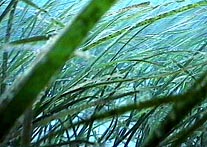
Submerged Aquatic Vegetation, or SAV Ecosystem enhancementSAV produces oxygen and detritus that is exported to other habitats, and reduces moderate turbidity and turbulence. SAV is extremely dependent on clarity of the water column for its existence. Fish use of SAV habitat
Some important facts
How’s it doing?While high-salinity SAV appears fairly stable, with some possible expansions in southern estuaries, large losses (50% or more) of low-salinity SAV have been reported in tributaries of western Pamlico, Albemarle, and Currituck Sounds since the 1970s. However, there are recent reports of SAV recovery in some of the low-salintiy areas. Reduced light availability from nutrient and sediment loading is thought to be the primary cause of losses. Research is needed, however, to quantify current distribution and cause of changes. See Threats to Habitat Index for more information See SAV chapter of CHPP (PDF) |
| NC Division of Marine Fisheries - 3441 Arendell Street - Morehead City, NC 28557 - 252-726-7021 or 800-682-2632 |
|

|